High-Performance POS Hardware: Measure Responsiveness and Stability Together
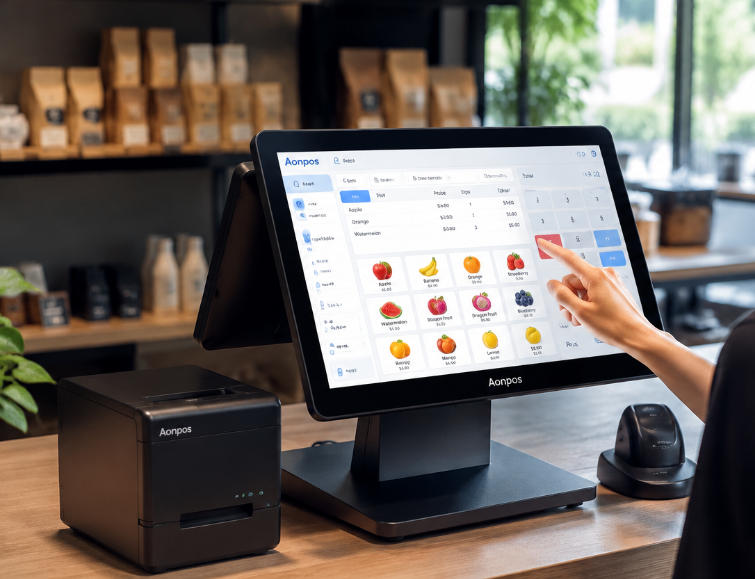
Assess POS performance as a complete platform, covering storage, memory, thermal behavior, drivers and the actual checkout workload.
High performance at a checkout means consistently completing ordinary tasks without disruptive pauses. CPU specifications matter, but storage health, memory pressure, drivers and network dependencies can matter just as much. Evaluate the assembled terminal with the intended application rather than selecting the most impressive component in isolation.


Build a representative workload
Use realistic product records, promotions, reporting and management tools. Measure startup, item lookup, basket changes and receipt output. Separate local response time from service latency. If a remote API is slow, a faster computer may leave the customer waiting just as long.
Check sustained behavior
- Monitor memory use and whether the application grows over a long session.
- Inspect storage capacity, health and application write behavior.
- Verify thermal limits and throttling in the final enclosure.
- Run all approved peripherals and check stable port assignments after restart.
- Confirm supported operating-system and driver versions.
Choose reliable headroom
Compare normal interaction with peak concurrency and record the results. Leave practical capacity for expected updates without buying unused compute at the expense of cooling or supportability. Define acceptance thresholds from business needs and repeat the test after meaningful changes. A performance claim is useful only when the workload, configuration and observed behavior are clear enough to reproduce.