When Mobile POS Makes Sense: A Deployment Decision Guide
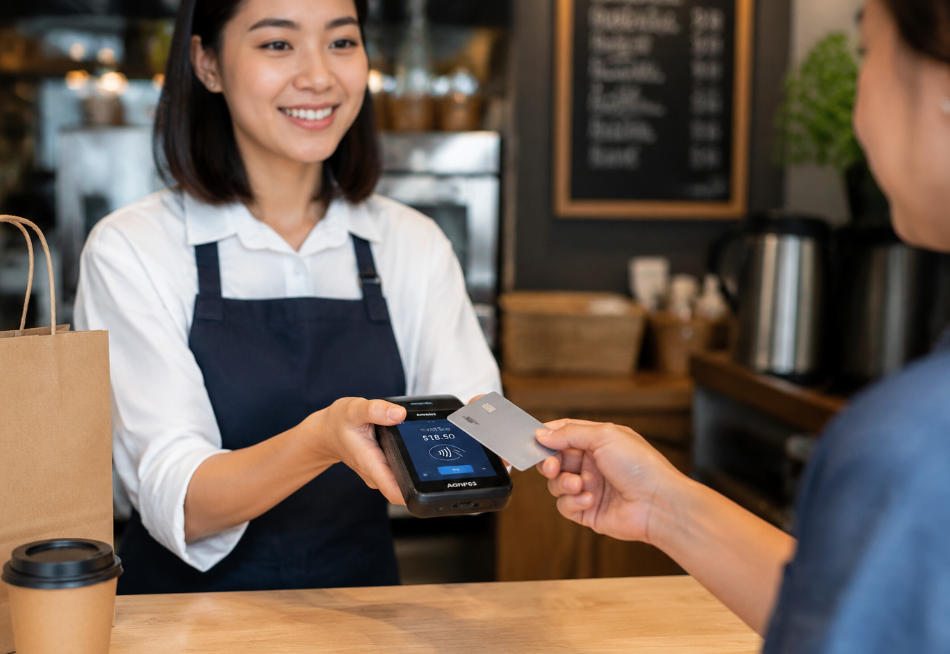
Evaluate mobile POS for queue-busting, tableside service and temporary selling with practical checks for coverage, batteries and transaction consistency.
Mobile POS is useful when moving the sales interaction removes unnecessary travel or waiting. It may let a server take an order at a table or a retailer handle an overflow queue. It can also introduce charging, coverage and device-loss problems that a fixed station does not have. Start with the movement you want to eliminate.

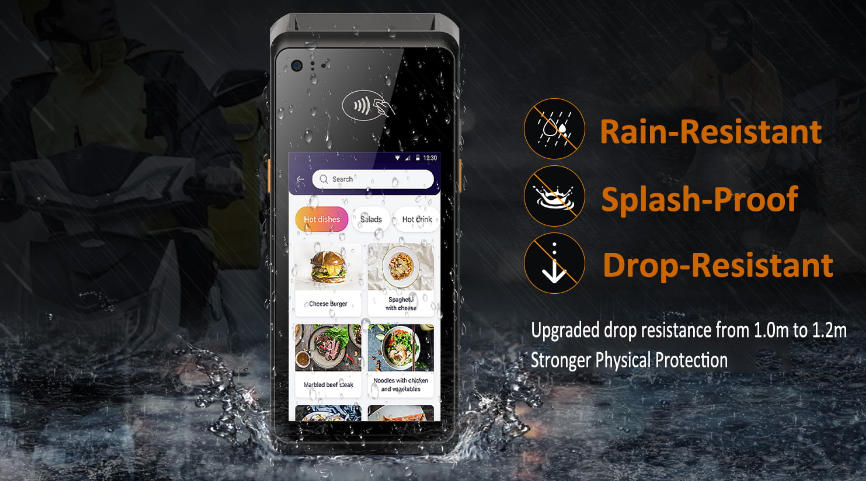
Choose a suitable use case
Record where staff will work, the expected shift length and whether scanning, printing or cash handling remains necessary. Check whether the mobile application supports the same product, pricing and permissions rules as the main system. A small screen may be excellent for a short order and difficult for a long catalogue search.
Test the operational limits
- Walk the actual route and check Wi-Fi or cellular handoff.
- Measure battery behavior with the real application and accessories.
- Confirm charging, storage, cleaning and protective-case arrangements.
- Use supported payment integration and test uncertain results.
- Plan lock, recovery and revocation for a missing device.
Keep records consistent
Run returns, suspended orders and shift close across mobile and fixed stations. Reconcile stock and payment records after interrupted connectivity. Retain a fixed fallback during the pilot and include spare devices in the support plan. Mobile POS earns its role when the complete service becomes simpler without losing the control and recoverability of the main checkout.