POS Requirements for 2026: Prioritize Reliability Before Extra Features
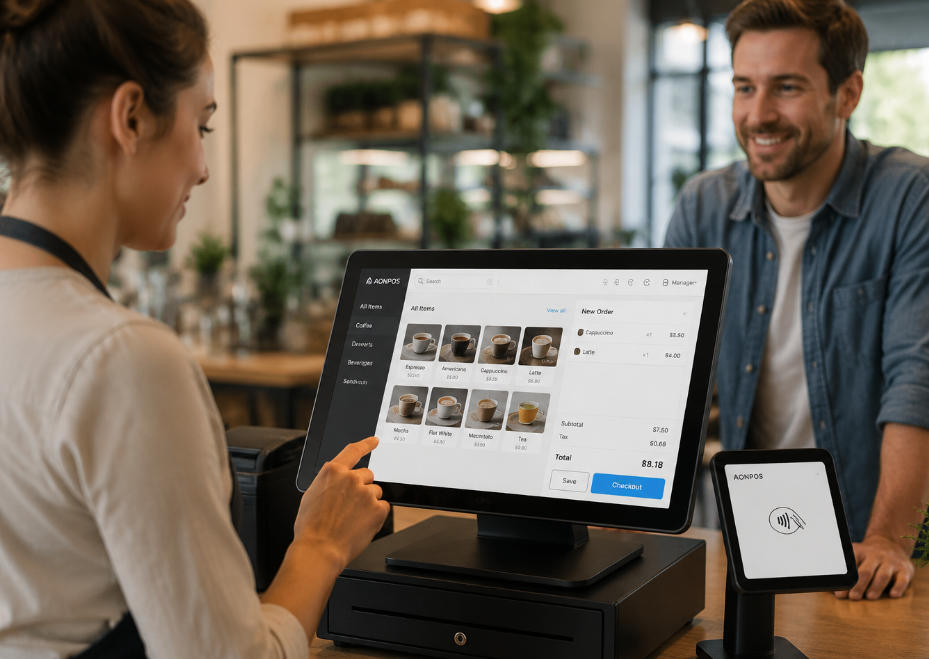
Create a POS requirements list for 2026 that balances software functions, security, recovery, integration and supportability.
A POS requirements list should reflect how the business trades, not a yearly catalogue of fashionable features. In 2026, supported software, reliable payment integration and recoverable data remain foundational. Optional capabilities are worth considering only when they solve a documented operational problem.

Set a reliable baseline
Confirm the supported operating-system edition, application lifecycle, staff permissions and update responsibilities. Test sales, returns, stock movement and reconciliation with representative data. Document the approved hardware and peripherals. A system that cannot recover an interrupted transaction should not be considered complete because it has analytics or a customer-marketing screen.
Prioritize optional functions
- Inventory and ecommerce: define authoritative records and synchronization rules.
- Customer programmes: collect only necessary information with appropriate permissions.
- Multi-site management: version configurations and stage releases.
- Self-service: include assistance, accessibility and session cleanup.
- Reporting: confirm the data and definitions behind each useful decision.
Turn requirements into evidence
Mark each item mandatory, desirable or deferred, then attach a test or document to its approval. Include subscriptions, implementation and support in the budget. Keep a pilot and rollback plan. A disciplined requirements list makes future expansion easier because it explains why each capability exists and who is responsible for keeping it operational.