Unattended Payment Systems: Design for Uncertain Outcomes
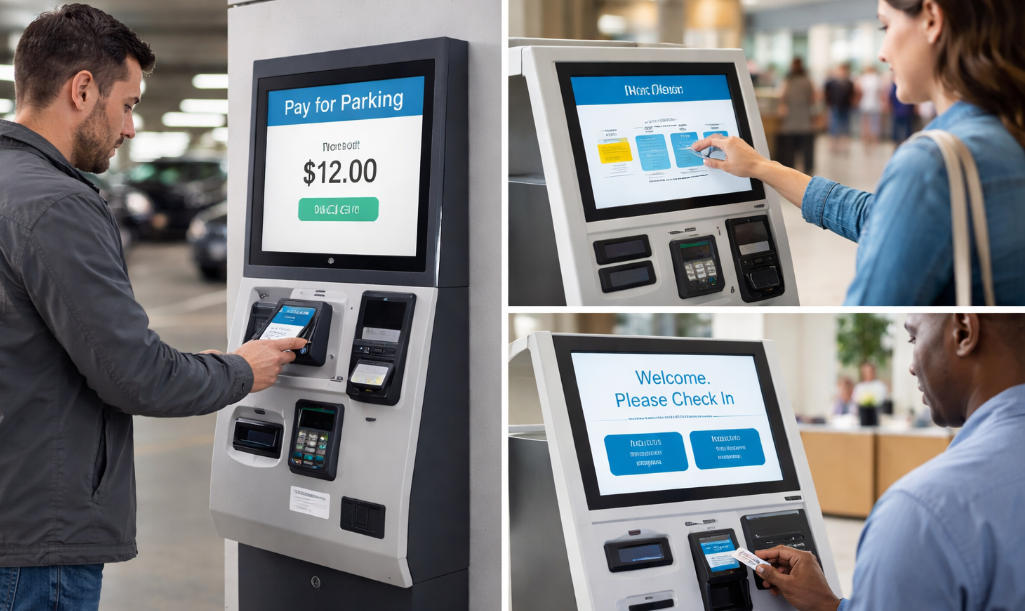
Create reliable unattended payment workflows by tracking states, querying uncertain results and assigning reconciliation ownership.
Unattended payment removes the cashier from the immediate transaction, not the need for operational judgment. The system must explain progress to the customer and preserve enough state for support to resolve an interruption. The most important design cases occur between payment initiation, provider authorization and delivery of the service.

Keep a durable transaction reference
Use the provider's supported identifiers and record state transitions without storing raw card data. Decide what happens when a response is delayed, when the application restarts and when payment succeeds but fulfilment fails. Retrying an uncertain action without a status check can create a second charge or duplicate output.
Coordinate the participating systems
- Payment device: use an approved unattended configuration and firmware.
- Application: define timeouts, cancellation and safe retry behavior.
- Fulfilment: establish how access, tickets or orders are confirmed.
- Operations: assign a team to unresolved transactions and customer assistance.
- Reporting: reconcile application records with payment-provider records routinely.
Test beyond a clean success
Simulate network loss, printing failure and application restart using approved test methods. Confirm that a new session cannot inherit the previous customer's data. Review privacy, device access and support logs. A dependable unattended system makes ambiguous outcomes visible and resolvable rather than automatically treating every timeout as either a failure or a success.