Retail Self-Checkout: Design for Assistance, Not Just Scanning
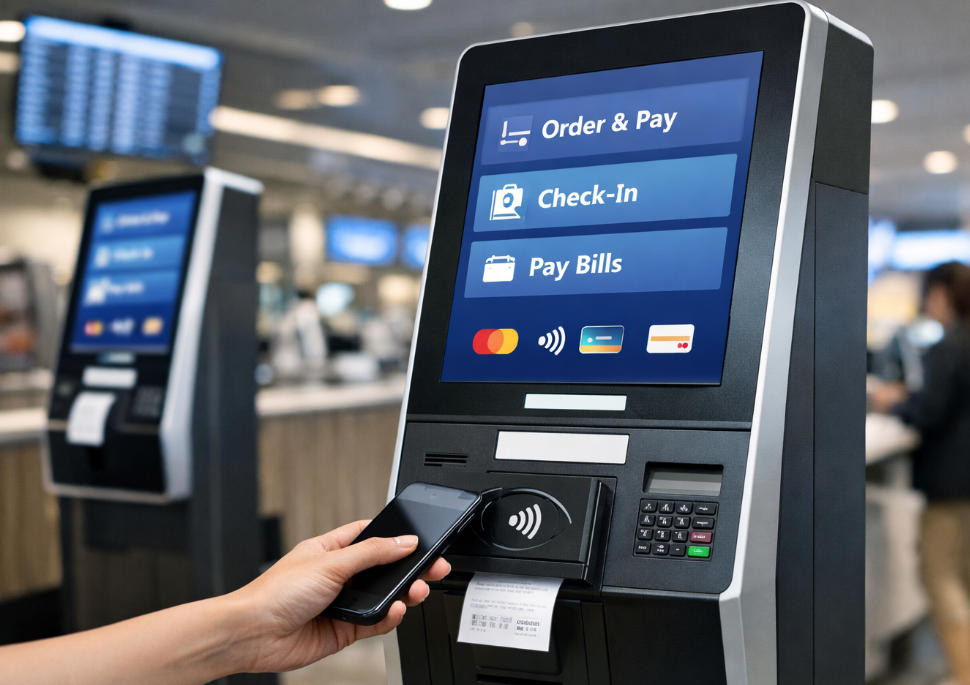
Plan retail self-checkout around barcode entry, promotions, customer assistance and reliable payment recovery before increasing the number of stations.
Retail self-checkout transfers part of the cashier's work to the customer. That can create a useful service option, but it also changes how errors are noticed and corrected. Design assistance, accessibility and exception handling with the same care as the scanner and payment screen.

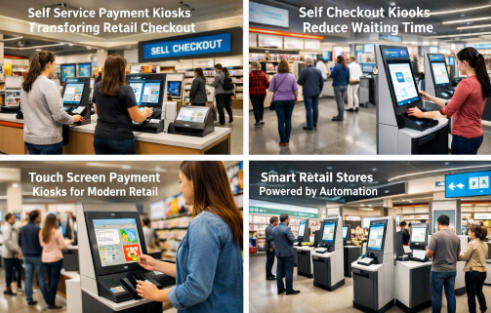
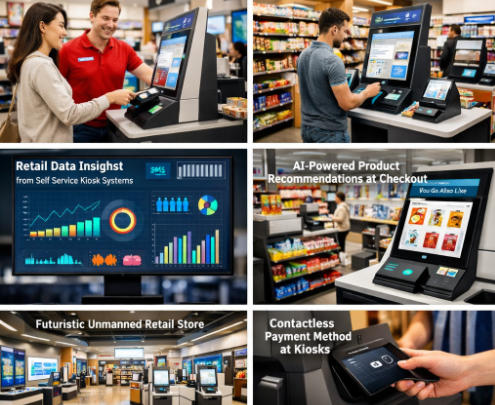
Use the real merchandise mix
Test small labels, multipacks, heavy items, phone coupons and goods without ordinary barcodes. Confirm how quantities, weighted goods and restricted products are handled by the selected application and applicable local rules. Avoid assuming that scanner recognition is the same as a correct item or promotion lookup.
Define the employee's role
- Make assistance requests visible and route them to an available authorized person.
- Provide a clear path for pricing disputes, returns and items the kiosk cannot sell.
- Teach staff to check uncertain payment status before attempting another charge.
- Allocate paper replacement, cleaning and fault response explicitly.
- Keep a usable staffed alternative for customers and transactions that need it.
Review the pilot as a service
Measure successful completion, abandoned baskets, assistance frequency and total staff effort under representative demand. Check reconciliation and stock movements as well as queue observations. A balanced deployment may retain staffed counters alongside kiosks. Select the mix from evidence rather than assuming more unattended stations automatically create a faster or less costly store.