Five Retail POS Checks to Complete Before Ordering a Terminal
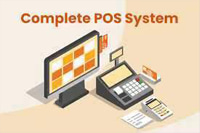
Review software fit, counter ergonomics, peripheral connections, recovery and ownership cost before committing to retail POS hardware.
A retail terminal should be evaluated at the counter where it will work, not only on a specification sheet. Five checks cover most of the questions that cause avoidable surprises after delivery. Use the same checks for every shortlisted configuration so a more attractive screen does not conceal an unsupported workflow.



The five checks
- Software fit: confirm the exact operating-system edition, application version and recommended resources.
- Counter fit: try the real sales interface, customer sightlines and receipt collection in the available space.
- Connections: attach every scanner, printer, drawer, display and payment device in the proposed setup.
- Recovery: test restart, lost connectivity and a peripheral fault using the approved support procedure.
- Ownership cost: count licences, subscriptions, installation, replacement shipping and local spares as well as the terminal.
Use representative transactions
An empty demonstration database hides the work of product lookup, mixed promotions and returns. Test common baskets and the exceptions that staff find difficult. Check long item names, barcode formats and receipt content. Ask a cashier to operate the sample without administrator shortcuts so training needs become visible before the installation date.
Make the result repeatable
Record the approved configuration and retain driver and recovery information. Require notice before component substitutions on future orders. If one of the five checks fails, identify whether the issue belongs to hardware, software, store layout or a provider service. Resolving that distinction before purchasing is usually more useful than choosing a larger processor or adding accessories without a defined purpose.