Preparing POS Equipment for Peak Trading: A Pre-Season Readiness Plan
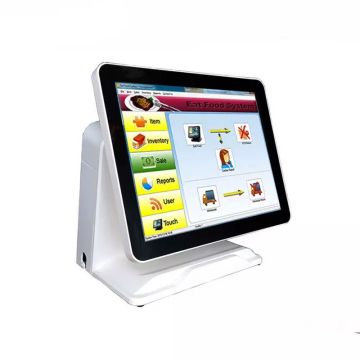
Prepare checkout hardware, stock data, staff and spare devices before seasonal demand makes small faults harder to manage.
Peak trading exposes weaknesses that quieter days can hide: an intermittent scanner cable, a nearly full drive or staff who have never processed a promotional return. Prepare the complete checkout operation before the busy period. Last-minute hardware changes without a tested recovery path can introduce as much risk as they remove.

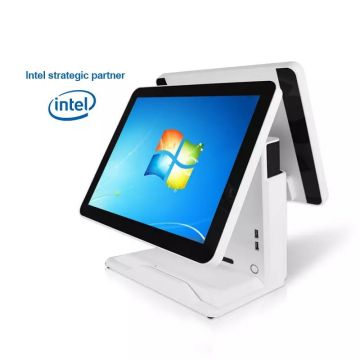

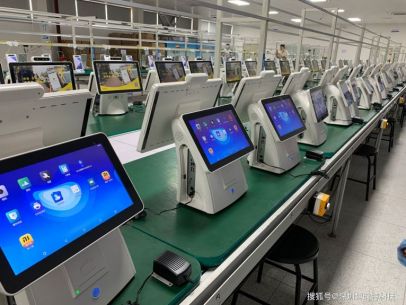
Inspect the equipment and data
Check cables, connectors, scanner windows, printer cutters and drawer movement. Use manufacturer-approved cleaning methods and replace visibly damaged parts through the appropriate service channel. Confirm storage capacity, supported software versions and a restorable backup. Load promotions into a test environment and verify mixed baskets, exclusions and receipt wording before releasing them to every till.
Run a realistic rehearsal
- Process representative baskets with discounts, returns and different payment methods.
- Test rapid consecutive scans and long receipts using the actual peripherals.
- Rehearse paper replacement and the approved procedure for uncertain payment results.
- Assign support contacts and make instructions accessible when the main terminal is offline.
- Check spare equipment against the current image instead of assuming an older spare still works.
Keep changes controlled during the rush
Freeze nonessential configuration changes for the agreed trading window while maintaining a procedure for urgent security fixes. Record incidents with times and symptoms so recurring problems can be analyzed afterward. Compare queue and fault observations with the rehearsal, then use the results to improve the next season's plan rather than relying on broad claims about hardware efficiency.