Payment Modernization: A Readiness Checklist Beyond Trend Forecasts
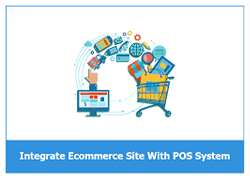
Review contactless, mobile and integrated payment options through provider support, customer needs and reliable transaction recovery.
Payment trends are less useful than a clear view of what your customers use and what your provider supports. An old forecast can quickly become misleading, while the basic deployment questions remain stable. Confirm the supported methods, integration responsibilities and recovery process before adding new equipment at the checkout.



Prioritize the methods customers need
Review transaction data and customer requests rather than adopting every available option. Contactless cards, mobile wallets and local payment schemes may share a customer gesture but use different provider arrangements. Ask your acquiring or payment-service provider which devices and software versions are approved for your merchant account and market.
Test more than payment approval
- Check cancellation and refund behavior, including whether the original transaction is required.
- Simulate delayed or uncertain responses and follow the provider's status-query procedure.
- Confirm how the sale and payment records reconcile at close.
- Use only provider-supported offline behavior; do not assume the POS can authorize payments without a connection.
- Keep credentials and raw card data out of general application logs.
Plan a controlled rollout
Train staff on prompts, receipts and exception handling before deployment. Keep a documented fallback for customers whose preferred method is unavailable. Review fees, settlement timing and support arrangements alongside hardware cost. A successful modernization gives customers useful choices while preserving a clear, auditable transaction state; it does not depend on claiming that a particular method will replace all others.