Buying a Self-Checkout Machine: Write the Workflow Before the Specification
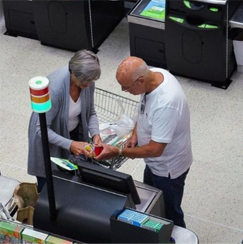
Define the scanning, payment, exception and assistance workflow before selecting self-checkout hardware and arranging a pilot.
Self-checkout procurement starts with the transaction, not the screen size. A kiosk for a short restaurant menu has different requirements from a grocery station handling loose produce, promotions and restricted items. Write down what customers must do and where staff must intervene before asking suppliers to quote.

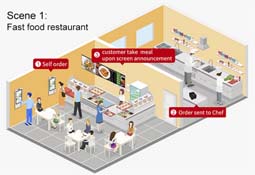

Document normal and exceptional journeys
Specify item entry, quantities, promotions, payment confirmation and receipt delivery. Then add the less convenient cases: unreadable barcodes, rejected payments, a customer leaving mid-session and an unavailable printer. Decide whether the software can suspend a basket, transfer it to a staffed till or request authorized assistance. These rules affect both hardware modules and store staffing.
Approve a complete configuration
- Check scanner performance with your packaging and screen-displayed codes.
- Use a payment device and integration approved for the unattended setting by the provider.
- Validate receipt width, paper replacement and device-status reporting.
- Confirm mounting, accessibility, network security and safe maintenance access.
- Ask who supplies software, payment integration, installation and ongoing support.
Set a pilot acceptance record
Measure completion rate, assistance requests, service time and fault recovery in the intended environment. Keep results separate from assumptions about labour savings. Include subscriptions, deployment, training and spares in the budget. A successful pilot demonstrates that the whole checkout process works; powering on a kiosk or completing one demonstration sale is not enough to justify a fleet order.