Payment SDK Integration for Kiosks: Protect the Transaction State
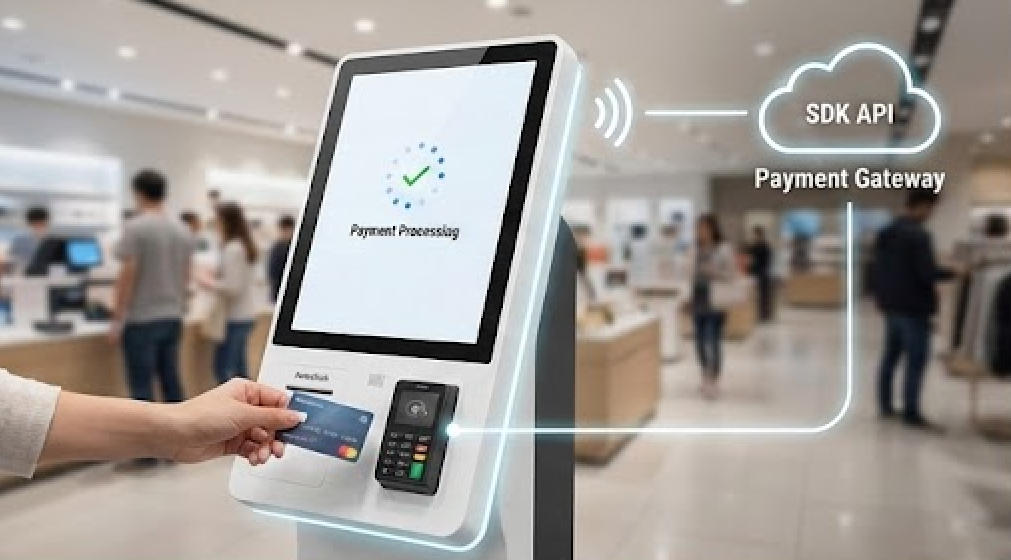
Integrate a payment SDK by defining provider-approved device flows, status queries, retries and reconciliation before customer rollout.
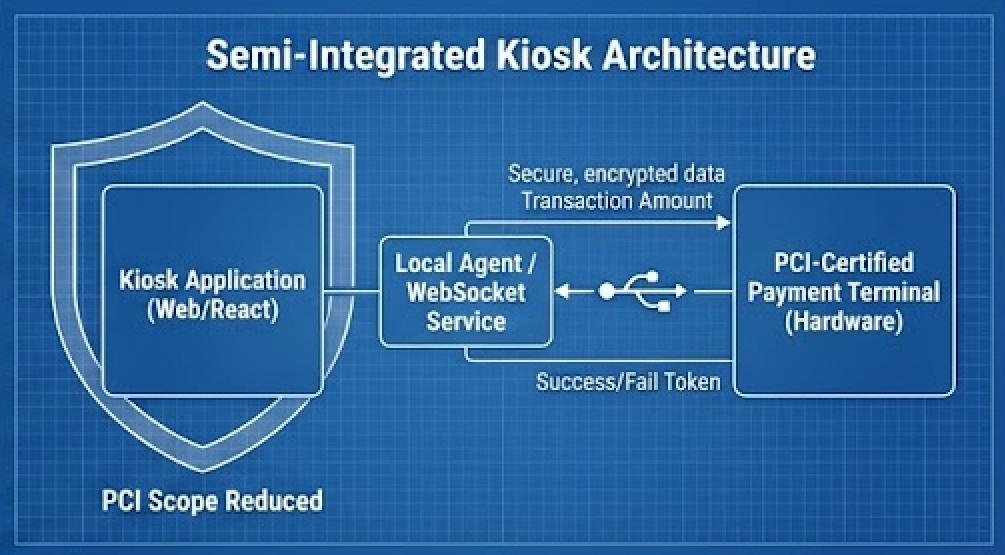
Payment integration is a controlled service boundary, not a generic peripheral connection. The SDK, payment device, merchant account and kiosk application must follow the provider's approved flow. A button that returns success in a test screen does not prove that uncertain or interrupted transactions are handled correctly.

Define the states before coding
Document initiation, customer interaction, approval, decline, cancellation, timeout and uncertain result. Assign one transaction identifier across the application and provider response. Decide which operations can be retried and which require a status query. Keep raw card data and credentials outside general logs and do not invent an offline mode.
Test the integration boundary
- Use the provider's sandbox or approved test cards and devices.
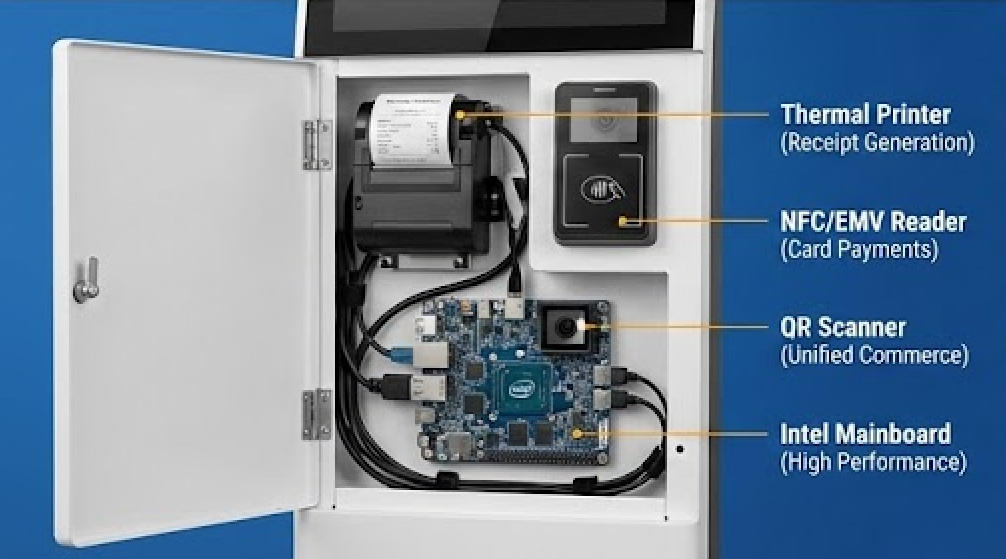
- Confirm device discovery, firmware and operating-system compatibility.
- Simulate disconnects before and after authorization, then reconcile the result.
- Check refund and reversal behavior using the provider's supported process.
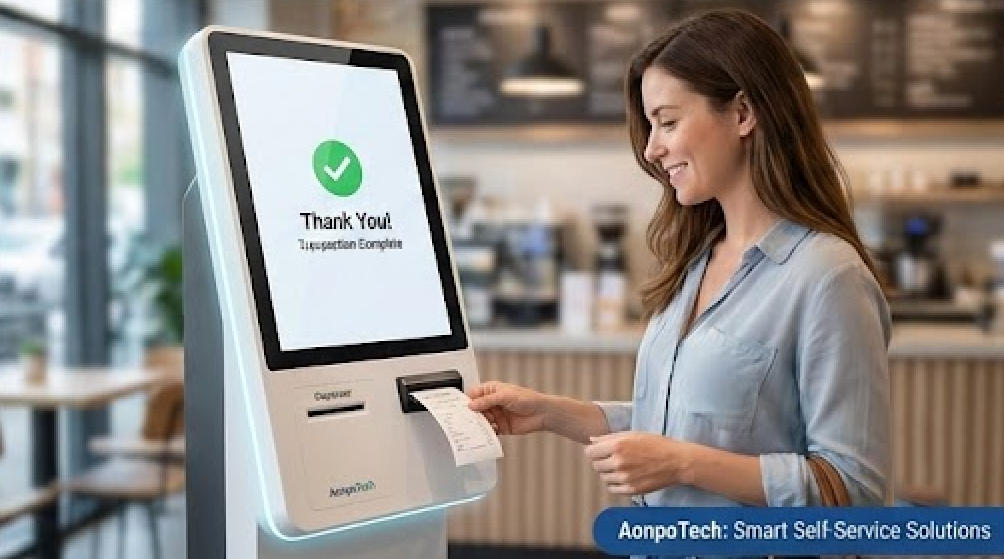
- Verify receipts and back-office records agree with the provider settlement data.
Operate it with clear ownership
Document whether a fault belongs to the kiosk, application, network or acquiring provider. Restrict support access and maintain versioned SDK documentation. Before scaling, ask the provider and hardware supplier to approve the complete configuration. A reliable payment kiosk is one that makes the transaction state recoverable, not one that simply hides a successful demo behind a polished interface.