Choosing a POS for Independent Sellers: Start with How You Take Payment
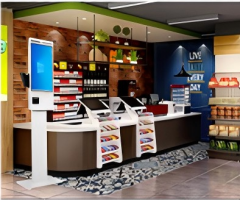
Compare mobile and fixed checkout options for sole traders by looking at trading location, provider terms, connectivity and practical peripherals.
For an independent seller, the term personal POS can refer to a payment device, a phone-based checkout application or a compact desktop system. Clarify which job you need it to perform. Taking a card payment is different from maintaining a product catalogue, issuing detailed receipts and tracking inventory.

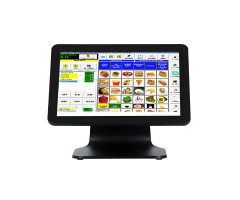
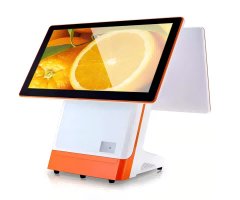
Match the setup to the selling location
A market stall may prioritize battery life and mobile connectivity, while a fixed service desk may need a printer and cash drawer. Check whether the software runs on your existing device and whether the payment provider supports the intended business activity and country. Do not assume a consumer phone with NFC can accept payments without a supported provider solution.
Compare the complete arrangement
- Review transaction fees, settlement timing, subscriptions and cancellation terms directly with the provider.
- Confirm supported receipt formats and any tax or record-keeping obligations with your adviser.
- Test the equipment where you trade, including weak connectivity and bright outdoor light.
- Check battery endurance, charging arrangements and the process for a lost or damaged device.
- Decide whether inventory, appointments or ecommerce integration are genuinely required.
Keep the first deployment manageable
Trial ordinary sales, cancellations and refunds before relying on the setup during a busy event. Keep accounts protected and avoid sharing administrator credentials. A small, supported configuration with clear costs is often easier to operate than a feature-heavy system assembled from incompatible parts. Add a fixed terminal later when the workflow and peripheral requirements justify it.