Selecting a Kiosk for Your Business: A Workflow-to-Hardware Checklist
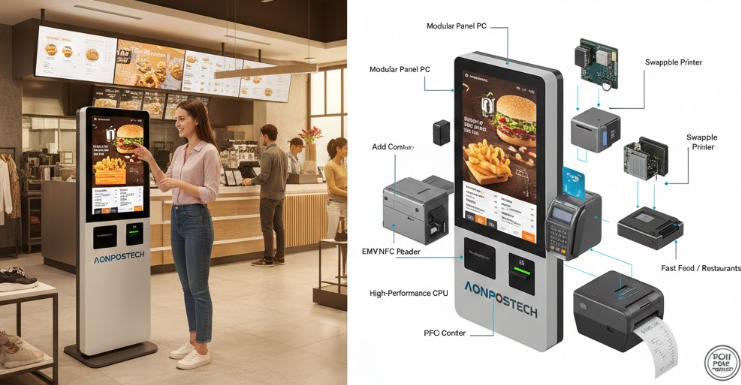
Translate the intended customer task into a kiosk specification with clear module, installation, software and support requirements.
The right kiosk is the one that completes a defined customer task reliably in its intended location. Begin with the service, not a preferred enclosure. A bill-payment station, restaurant ordering point and visitor terminal may look similar while needing different credentials, payment arrangements and assistance processes.

Write the customer journey
Describe the starting point, required input, confirmation and successful outcome. Include cancellation, timeouts and the need for help. Identify personal information and the rule for clearing it after each session. Decide what happens if an external service approves an action but the kiosk cannot finish its final output.
Build the hardware and operations list
- Choose display, touch and input modules based on real users and application requirements.
- Confirm provider-approved payment equipment where money is collected.
- Survey power, network, anchoring, environment and accessibility at the site.
- Assign paper replenishment, cleaning, monitoring and repair responsibilities.
- Agree software ownership, supported versions and recovery procedures.
Accept the service through a pilot
Use representative customers and realistic transactions, not just trained demonstrators. Record completion, assistance and recovery results alongside installation and operating costs. Keep a staffed or alternative path during evaluation. Select the final configuration only after these tests show that the proposed kiosk supports the actual service rather than merely matching a list of attractive hardware features.