Comparing POS Options in 2026: Use a Scorecard Instead of a Ranking
Build a transparent POS comparison using supported workflows, evidence, ownership cost and recovery rather than unsupported top-system claims.
A universal top-POS list hides differences between businesses. A useful 2026 comparison starts with your software, merchandise, service model and support capability. Define the criteria before reviewing candidates so the decision can be explained and repeated when requirements change.
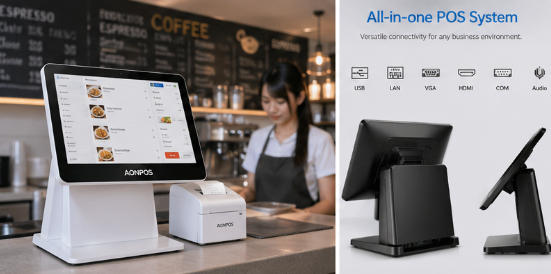
Separate gates from preferences
Treat required application support, payment approval, destination obligations and essential interfaces as pass-or-fail gates. A candidate that fails one should not win through cosmetic preferences. Score usable screen layout, service access, responsiveness and support quality only after these gates are met. Keep unknown answers visible rather than granting them an assumed pass.
Use the same evidence for each option
- A representative transaction set with returns and exceptions.
- An approved operating-system image and exact hardware configuration.
- Tests for network, printer and application recovery.
- Written warranty, spare-parts and substitution terms.
- A cost worksheet covering subscriptions, installation, support and replacement logistics.
Keep the decision auditable
Record who tested each system, the conditions and any unresolved issues. Pilot the preferred option before a fleet order. Avoid presenting unverified supplier claims or paid placements as an independent ranking. The best comparison identifies the candidate that meets a defined need with acceptable operational risk, not a winner for every possible buyer.