Restaurant and Retail POS in 2026: A B2B Requirements Comparison
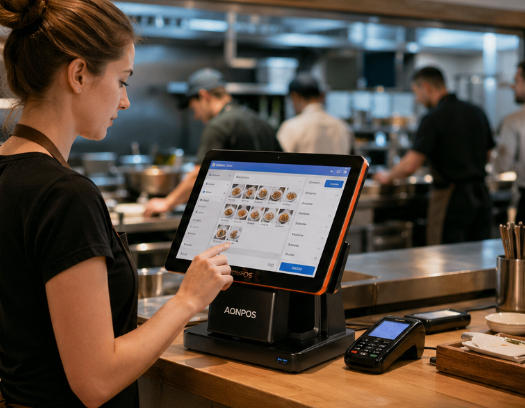
Compare restaurant and retail requirements before standardizing POS hardware for distributors, software providers or multi-site operators.
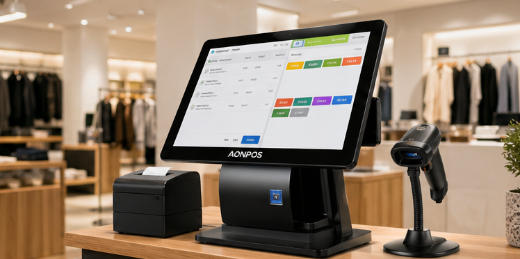
Restaurant and retail buyers can sometimes share a hardware platform, but they should not share an unexamined workflow specification. Restaurant operations prioritize order modifiers and preparation routing; retail operations prioritize product codes, variations and stock movement. A B2B purchase needs to preserve these differences while finding sensible common components.

Define the application-specific tests
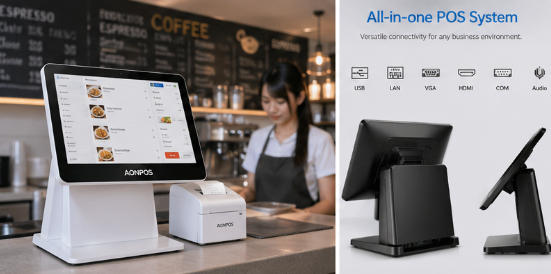
For restaurants, include table or counter service, menu changes, kitchen acknowledgement and split bills. For retail, include mixed baskets, promotions, returns and stock updates. Confirm supported payment methods and software versions in both cases. Do not assume a terminal advertised for two sectors includes either sector's application.
Standardize where evidence allows
- Use common processors and images only when both applications are supported.
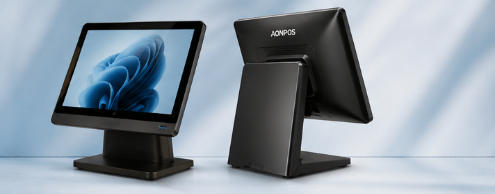
- Choose displays by interface layout and counter space rather than one default size.
- Keep peripheral packages explicit for each service model.
- Document network, recovery and training requirements by deployment type.
- Agree component-change control and spare compatibility for repeat orders.
Compare complete project costs
Include licences, integrations, installation, support and replacement logistics as well as unit prices. Trial the proposed package with representative users and transactions. A common terminal can simplify procurement, but the operating model must remain specific enough to be tested, trained and supported at each type of site.